QUIZ: Are your vaccines up to date?
Not sure which vaccines you still need this year? Take this quick quiz to check in on your health and get tips on what to do next.
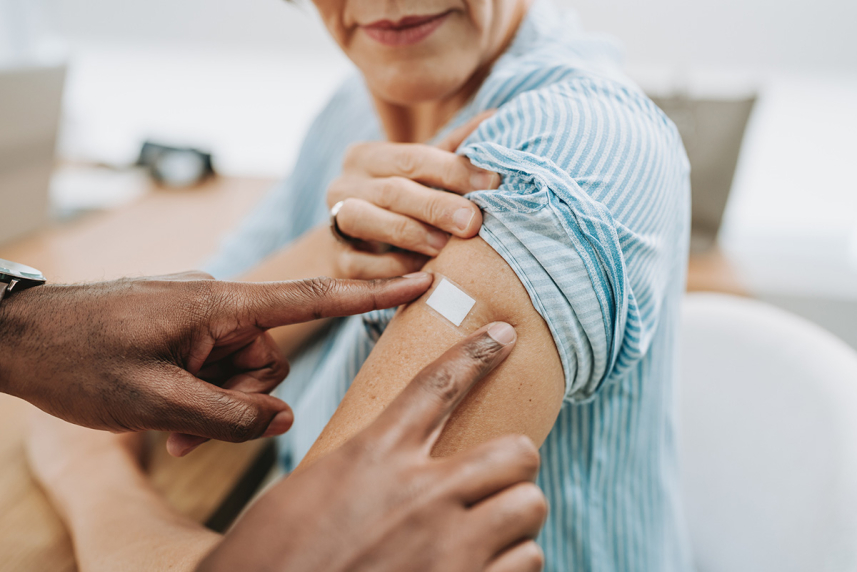
Vaccines are one good way to help your body stay protected from serious illness. Some you should have every year, while others depend on your age and health needs. Answer a few quick questions to see where you stand. And check out tips to learn more about why each vaccine matters and when you might need it.
1. Do you plan to get a flu shot this season?
a. Yes
b. No
c. Unsure
What is the flu vaccine?
The flu vaccine helps your body fight off influenza — or “the flu.” This illness can cause:
- Fever
- Cough
- Body aches
- Sore throat
- Tiredness
Getting the vaccine lowers your chances of getting sick. And if you do get sick, the symptoms usually milder.
When should you get it?
Get your flu shot in September or October so your body is ready before flu season. Shots are available at pharmacies, your primary care provider’s office and community clinics. Adults 65 and older may get a stronger shot for extra protection. Even if you get your vaccine later in the season, it can still help protect you.*
Your voice matters
We value your opinions. And this member newsletter survey is a great way to share feedback about your plan and topics you care about. Complete the quick survey.
2. Do you need the RSV vaccine?
a. Yes
b. No
c. Unsure
What is the RSV vaccine?
RSV (respiratory syncytial virus) often causes mild, cold-like symptoms. But for older adults or people with certain health conditions, it can lead to serious lung infections. The RSV vaccine helps protect against these complications.
When should you get it?
Adults ages 60–74 with certain health risks, and everyone 75 and older, may get one dose. It’s usually given between September and January, before RSV season. Your provider can help you decide what’s best for you.*

Find a local pharmacy
Visit our pharmacy finder and enter your ZIP code to locate a network pharmacy near you.
3. Have you been vaccinated for pneumonia?
a. Yes
b. No
c. Unsure
What is the pneumonia vaccine?
Pneumococcal vaccines protect against serious infections like:
- Pneumonia
- Bloodstream infections
- Meningitis
These infections can be serious, especially for older adults or people with health conditions like heart disease, diabetes or lung problems. A vaccine helps your body learn how to fight the germs before they make you sick.
When should you get it?
Adults 50 and older, or younger adults with certain health risks, may need one or more doses. Shots are usually given at provider’s offices or pharmacies. Mild illnesses, like a cold, usually aren’t a reason to wait. Your provider can help you decide when to get this vaccine.*
Protect your health — get vaccinated
Covered preventive vaccines like flu, respiratory syncytial virus (RSV), pneumonia, shingles and Tdap are available at in-network locations. These can include local retail pharmacies, clinics and your provider’s office.
Call us at the number on your member ID card to learn more.
4. Is your Tetanus, diptheria, and acellular pertussis (Tdap) up to date?
a. Yes
b. No
c. Unsure
What is the Tdap vaccine?
The Tdap vaccine protects against tetanus, diphtheria (a serious throat infection), and pertussis (whooping cough). Tetanus can get into the body through cuts or wounds.
Diphtheria and pertussis spread when people cough or sneeze. These illnesses can be serious, especially for babies and older adults.
When should you get it?
Adults who haven’t had a Tdap vaccine should get one now, then a booster (Tdap or Td) every 10 years. Adults who will be around newborns should get a booster at least two weeks before contact. You can also get these shots after certain wounds or burns.*
5. Have you had a shingles vaccine?
a. Yes
b. No
c. Unsure
What is the shingles vaccine?
The virus that causes shingles can also cause chickenpox. It can cause a painful rash and lasting nerve pain. The shingles vaccine, called Shingrix, helps protect against shingles and the problems it can cause.
When should you get it?
Adults 50 and older should get two doses, two to six months apart. Adults with weakened immune systems may also need two doses. Providers often give this vaccine with other shots. Even if you’ve had shingles before, vaccination helps prevent it from coming back.*
Keep your vaccines on track
If you answered “No” or “Unsure” to any question, check with your doctor. They can help you figure out which vaccines you need, when to get them and where to go. Staying up to date protects you—and those around you—from serious illness.
*FOR FLU: Centers for Disease Control and Prevention. Who needs a flu vaccine. September 18, 2025. Accessed March 9, 2026.
*FOR RSV: Centers for Disease Control and Prevention. RSV vaccine VIS. February 28, 2025. Accessed March 9, 2026.
*FOR PNEUMONIA: Centers for Disease Control and Prevention. Pneumococcal Vaccination. February 25, 2026. Accessed March 9, 2026.
*FOR TDAP: Centers for Disease Control and Prevention. Tdap (Tetanus, Diphtheria, Pertussis) Vaccine VIS. February 28, 2025. Accessed March 9, 2026.
*FOR SHINGLES: Centers for Disease Control and Prevention. Shingles Vaccination. August 19, 2025. Accessed March 9, 2026.
See Evidence of Coverage for a complete description of plan benefits, exclusions, limitations and conditions of coverage. Plan features and availability may vary by service area. Participating health care providers are independent contractors and are neither agents nor employees of Allina Health | Aetna. The availability of any particular provider cannot be guaranteed, and provider network composition is subject to change.
©2026 Allina Health and Aetna Insurance Company
Y0130_NR_7826050_2026_C
6300553-49-01