Need help filing a claim?
Log in to your secure member website to file a claim, check on a claim status, file an appeal and more.
Smart ways to stay steady, strong and confident — at home and on the go.

Falls are one of the most common causes of injury for people aged 65 and older. Each year, there are about 3 million emergency room visits due to falls from adults this age.* However, there are effective ways to lower your risk. This guide offers practical tips to help you feel more confident and steadier on your feet.
The first step to preventing falls is knowing your risk. Your provider can help with this important first step during your covered Annual Wellness Visit. They’ll give you a fall risk assessment and ask you questions about walking, balance and any past falls. They may also check your strength and movement with simple tests such as:
Timed up-and-go (TUG). Stand up from a chair, walk a short distance and then sit back down.
30-second chair stand. Stand up and sit down as many times as you can in 30 seconds.
4-stage balance test. Try holding different standing positions for a few seconds each.
Your provider may also review your medications and check your blood pressure. And they might ask about potential home hazards — like loose cords or rugs — that could raise your risk of falling.
Log in to your secure member website to file a claim, check on a claim status, file an appeal and more.
Good vision and hearing can help you maintain overall health. They do so by helping to reduce the risk of falls and injury. Remember to schedule yearly eye and ear exams.
An annual eye exam can help catch problems that impact vision, like cataracts or glaucoma. Glaucoma often has no early symptoms.* And cataracts develop slowly and may not cause noticeable symptoms at first, so regular checkups are key to spotting them early.
Hearing loss can also raise your fall risk. It may affect both balance and awareness of your surroundings. Mild hearing loss can develop so slowly you don’t even notice it. A hearing test and treatments like hearing aids can help you stay safe.
Exercise is one of the best ways to lower your fall risk. Try focusing on moves that build strength in your core, legs and feet. Balance exercises may also help you stay steady.
Try these simple exercises at home:
Heel-to-toe walk. Walk in a straight line, placing your heel just in front of your toes.
Toe raises. Hold a chair for support and rise up on your toes.
Wall slides. Stand with your back to the wall. Slide down slowly, then stand back up.
One-leg stands. Hold a chair and balance on one foot for a few seconds.
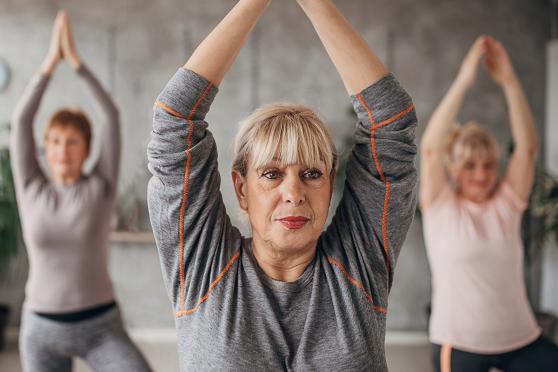
You might also consider a tai chi or yoga class. These gentle, flowing movements improve balance and flexibility. Check out SilverSneakers.com to find covered fitness classes in your area. But remember to talk to your provider before starting new workouts.
20% off select CVS Health® brand products
As an Allina Health | Aetna Medicare Advantage member, you get a 20 percent discount on thousands of CVS Health® brand health and wellness products — both in store and online.
Log in to your secure member website. Select “Wellness & Discounts” from your home page and scroll down to the section titled “Wellness Discounts for you.” There, you can read how to use your online promo code or your in-store coupon to save.
Most falls happen at home, but you can lower your risk with a few changes. Here are some ways to make your home safer:
Remove loose rugs or secure them with tape.
Keep floors free of clutter and cords.
Install grab bars in the bathroom and handrails on stairs.
Use bright lights and night-lights so you can see clearly.
Wear sturdy, nonslip shoes that fit well.
If needed, use assistive devices like a cane, walker and bath seat to move safely.
Sometimes falls happen, even with the best precautions. But knowing how to fall safely and what to do afterward can help prevent serious injuries.
Tips for falling safely
Stay loose and try not to tense up.
Bend your knees and elbows to soften the landing.
If you can, roll with the fall instead of landing flat.
Protect your head by tucking your chin or turning your face.
Aim to land on soft parts of your body, like your thighs or backside, not your wrists or hips.
Steps to take after a fall
Check for injuries and call for help if needed.
Tell your provider, even if you feel okay. They can update your fall prevention plan.
Review what caused the fall and see if changes at home, in your exercises or in your medications can help prevent it from happening again.
Falls don’t have to limit your life. Knowing your risk and preparing for falls can help you stay confident on your feet.
*FOR FALL STATS: Centers for Disease Control and Prevention. Facts About Falls. Accessed at: https://www.cdc.gov/falls/data-research/facts-stats/index.html January 27, 2026. Accessed March 17, 2026.
*FOR GLAUCOMA: Centers for Disease Control and Prevention. Glaucoma. Accessed at https://www.mayoclinic.org/diseases-conditions/glaucoma/symptoms-causes/syc-20372839 November 5, 2024. Accessed March 17, 2026.
See Evidence of Coverage for a complete description of plan benefits, exclusions, limitations and conditions of coverage. Plan features and availability may vary by service area. Participating health care providers are independent contractors and are neither agents nor employees of Allina Health | Aetna. The availability of any particular provider cannot be guaranteed, and provider network composition is subject to change.
©2026 Allina Health and Aetna Insurance Company
Y0130_NR_7265357_2026_C
6300553-41-01